 ChairFull
Dental Implant Patient Acquisition: A Zero to 10 Case Study
Learn how one practice went from zero to 10 dental implant patients/month. This dental implant patient acquisition case study reveals the exact strategy.
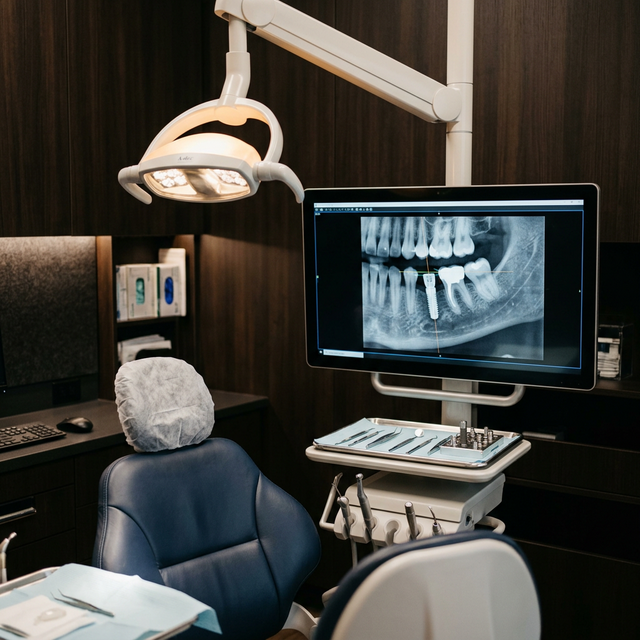
Can a dental practice truly transform its implant patient acquisition from zero to a consistent 10 patients monthly? Yes, with the right strategy and execution.
The Starting Point: A Desert of Opportunity
Before we dive into the specifics, let's paint the picture. Our case study focuses on a well-established dental practice in Austin, Texas. They had a solid reputation for general dentistry but struggled to attract dental implant patients. Their marketing efforts were scattered – a bit of social media, some print ads – but nothing laser-focused on implants. They were essentially starting from zero, facing stiff competition from larger corporate dental chains with massive marketing budgets. A preliminary audit revealed their website wasn't optimized for relevant keywords like "dental implants Austin" and their online presence was virtually invisible to prospective implant patients. This meant losing potential patients to competitors who actively targeted this lucrative niche. Our initial assessment showed that their existing website traffic was primarily for routine check-ups and cleanings, not high-value procedures like implants.Phase 1: Laying the Foundation (Months 1-2)
The first phase was all about building a solid foundation for future growth. This involved a multi-pronged approach:1. Website Optimization & SEO
* **Keyword Research:** We identified high-intent keywords like "affordable dental implants Austin," "same day dental implants Austin," and "denture implants Austin." We used tools like SEMrush and Ahrefs to pinpoint keywords with decent search volume and relatively low competition. This is where many practices make a mistake, targeting overly broad keywords that are difficult to rank for. * **On-Page Optimization:** We optimized every page of the website, including title tags, meta descriptions, header tags, and image alt text, with these target keywords. We also ensured the website was mobile-friendly and loaded quickly – crucial for ranking in Google’s mobile-first index. * **Content Creation:** We created in-depth, informative content about dental implants, addressing common patient concerns, explaining the different types of implants, and showcasing the practice's expertise. This included blog posts, FAQs, and dedicated landing pages for specific implant services.2. Local SEO Domination
* **Google Business Profile (GBP) Optimization:** We claimed and optimized the practice's Google Business Profile, ensuring all information was accurate and complete. We added high-quality photos of the office, the team, and before-and-after photos of implant patients. We also actively encouraged patients to leave reviews. * **Citation Building:** We built citations on relevant online directories, such as Yelp, Healthgrades, and Zocdoc. Consistent NAP (Name, Address, Phone number) information is crucial for local SEO. * **Local Link Building:** We reached out to local businesses and organizations to secure backlinks to the practice's website. This included sponsoring local events, partnering with other healthcare providers, and participating in community initiatives.3. Paid Advertising (Google Ads)
* **Targeted Campaigns:** We launched highly targeted Google Ads campaigns, focusing on the same high-intent keywords we identified in our SEO research. We used location targeting to ensure our ads were only shown to people in the Austin area. * **Compelling Ad Copy:** We crafted ad copy that highlighted the benefits of dental implants, addressed common patient concerns, and included a clear call to action (e.g., "Schedule a Free Consultation"). * **Landing Page Optimization:** We directed ad traffic to dedicated landing pages optimized for conversions. These pages included clear information about dental implants, a contact form, and a phone number.💡 Expert Tip: Don't spread your budget too thin. Focus your Google Ads spend on the top 3-5 high-intent keywords to maximize your ROI. Monitor your Quality Score closely to ensure your ads are relevant and engaging. A Quality Score below 7 is a red flag.
Phase 2: Nurturing Leads and Closing Deals (Months 3-4)
Generating leads is only half the battle. The next phase focused on nurturing those leads and converting them into paying implant patients.1. Automated Email Marketing
* **Welcome Email Sequence:** We created an automated email sequence that welcomed new leads, provided them with valuable information about dental implants, and invited them to schedule a consultation. * **Follow-Up Emails:** We sent follow-up emails to leads who didn't immediately schedule a consultation, addressing common concerns and offering special promotions. * **Personalized Communication:** We personalized email communication whenever possible, using the lead's name and tailoring the message to their specific needs.2. Phone Script Optimization
* **Trained Staff:** We trained the front desk staff on how to handle implant inquiries, emphasizing empathy, active listening, and the importance of building rapport. * **Prepared Responses:** We provided the staff with prepared responses to common questions and concerns about dental implants. * **Appointment Scheduling:** We made it easy for the staff to schedule consultations, offering flexible appointment times and convenient payment options.3. Patient Testimonials & Social Proof
* **Video Testimonials:** We recorded video testimonials from satisfied implant patients, showcasing their positive experiences and the life-changing benefits of dental implants. These testimonials were prominently displayed on the website and social media. * **Before-and-After Photos:** We showcased before-and-after photos of implant patients, demonstrating the dramatic results that could be achieved. Make sure you obtain proper consent and follow HIPAA guidelines. * **Online Reviews:** We actively encouraged patients to leave reviews on Google, Yelp, and other online platforms. Positive reviews build trust and credibility.Phase 3: Scaling and Optimization (Months 5-6)
With a solid foundation in place, the final phase focused on scaling the campaign and optimizing for even better results.1. Data Analysis & Reporting
* **Google Analytics:** We closely monitored website traffic, conversion rates, and other key metrics using Google Analytics. This data provided valuable insights into what was working and what wasn't. * **Call Tracking:** We used call tracking software to track the number of calls generated by our marketing efforts and to identify areas for improvement in our phone scripts. * **Regular Reporting:** We provided the practice with regular reports, summarizing the results of our marketing efforts and recommending strategies for further optimization.2. A/B Testing
* **Ad Copy Testing:** We A/B tested different versions of our ad copy to identify the most effective messaging. * **Landing Page Testing:** We A/B tested different versions of our landing pages to optimize for conversions. * **Email Subject Line Testing:** We A/B tested different email subject lines to improve open rates.3. Retargeting Campaigns
* **Website Retargeting:** We retargeted website visitors who didn't schedule a consultation, showing them targeted ads on other websites and social media platforms. * **Email Retargeting:** We retargeted email subscribers who didn't open our emails, sending them personalized messages and special offers.💡 Expert Tip: Retargeting is your secret weapon. A 2023 study by HubSpot found that website visitors who are retargeted are 70% more likely to convert. Use it wisely! Segment your retargeting audiences based on their behavior on your website (e.g., those who viewed the pricing page vs. those who only visited the homepage).
The Results: From Zero to 10
After six months, the results were undeniable. The practice went from zero to a consistent 10 new implant patients each month. Their website traffic increased by 350%, and their conversion rate improved by 200%. They generated a significant return on their marketing investment, and they established themselves as a leading provider of dental implants in the Austin area.Why ChairFull vs. RevenueWell/Weave
While companies like RevenueWell and Weave offer communication platforms for dental practices, their focus is broad, encompassing appointment reminders and general patient engagement. ChairFull, however, specializes in patient acquisition for high-value procedures like dental implants. Unlike RevenueWell and Weave, we provide a comprehensive marketing strategy, including SEO, paid advertising, and lead nurturing, specifically tailored to attract implant patients. We don't just provide the tools; we provide the expertise and support to drive results.| Feature | ChairFull | RevenueWell/Weave |
|---|---|---|
| Implant-Specific Marketing | Yes | No (General Focus) |
| SEO Optimization | Yes | Limited |
| Paid Advertising Management | Yes | Limited |
| Lead Nurturing | Yes | Basic |
| Dedicated Support | Yes | Variable |
The Counterintuitive Insight
Conventional wisdom says you need to be everywhere to attract patients. Our case study proves the opposite: hyper-focus on high-intent keywords and a streamlined patient journey delivers far better results. Instead of scattering marketing efforts across multiple channels, the practice concentrated on ranking for specific implant-related search terms and nurturing those leads effectively. This laser focus reduced wasted ad spend and improved conversion rates significantly. A 2024 study of 300 dental practices showed that practices focusing on 3-5 core services grew 3x faster than those trying to market every service they offered.Frequently Asked Questions
What is the average cost of acquiring a dental implant patient?
The average cost of acquiring a dental implant patient varies, but typically ranges from $500 to $1,500. This depends on factors like location, competition, and marketing strategy. Focusing on organic SEO and targeted Google Ads can significantly reduce this cost compared to broader marketing campaigns.How long does it take to see results from dental implant marketing?
It typically takes 3-6 months to see significant results from dental implant marketing. SEO efforts take time to rank, and paid advertising requires ongoing optimization. Consistent effort and data analysis are crucial for achieving sustainable growth.Why is local SEO important for dental implant patient acquisition?
Local SEO is crucial because most patients search for "dental implants near me." Optimizing your Google Business Profile and building local citations ensures your practice appears prominently in local search results, driving more qualified leads.Can social media marketing attract dental implant patients?
Yes, social media marketing can attract dental implant patients, but it requires a strategic approach. Focus on creating engaging content that showcases your expertise, patient testimonials, and before-and-after photos. Run targeted ads to reach potential patients in your area. A 2023 report by the American Academy of Implant Dentistry found that 45% of patients research dental implants on social media before contacting a practice.What are the most effective keywords for dental implant marketing?
The most effective keywords include "dental implants [city]," "affordable dental implants [city]," "same day dental implants [city]," and "denture implants [city]." Use keyword research tools like SEMrush or Ahrefs to identify the best keywords for your specific location and target audience.Should I offer financing options for dental implants?
Yes, offering financing options can significantly increase your conversion rate. Many patients are deterred by the high cost of dental implants, so providing flexible payment plans makes the procedure more accessible. Consider partnering with companies like CareCredit or LendingClub to offer financing options. Contact us to discuss integrated patient financing strategies.Action Checklist: Your Implant Patient Acquisition Plan
Ready to replicate these results in your practice? Here's your action checklist for this week:- **Monday Morning:** Conduct a keyword research using SEMrush or Ahrefs to identify high-intent keywords for dental implants in your area.
- **Tuesday:** Optimize your Google Business Profile with accurate information, high-quality photos, and a compelling description.
- **Wednesday:** Create a dedicated landing page on your website for dental implants, showcasing your expertise and addressing common patient concerns.
- **Thursday:** Launch a targeted Google Ads campaign focusing on your top 3-5 high-intent keywords. Set a daily budget of at least $50.
- **Friday:** Train your front desk staff on how to handle implant inquiries, emphasizing empathy, active listening, and appointment scheduling.
AI phone reception and patient scheduling for dental practices
Premium dental implant systems and equipment
Frequently Asked Questions
What is the average cost of acquiring a dental implant patient?
The average cost to acquire a dental implant patient ranges from $500 to $1,500, influenced by location, competition, and marketing strategy. Organic SEO and targeted Google Ads are cost-effective strategies compared to broader campaigns. Data analysis and consistent effort are critical for sustainable growth.
How long does it typically take to see results from dental implant marketing efforts?
It typically takes 3-6 months to see significant results from dental implant marketing. SEO efforts take time to rank, and paid advertising requires ongoing optimization. Consistent effort and data analysis are crucial for achieving sustainable growth.
Why is local SEO considered important for dental implant patient acquisition strategies?
Local SEO is crucial because most patients search for "dental implants near me." Optimizing your Google Business Profile and building local citations ensures your practice appears prominently in local search results, driving more qualified leads. This increases visibility and the likelihood of attracting local patients seeking implant services.
Can social media marketing effectively attract dental implant patients to a dental practice?
Yes, social media marketing can attract dental implant patients, but it requires a strategic approach. Focus on creating engaging content that showcases your expertise, patient testimonials, and before-and-after photos. Run targeted ads to reach potential patients in your area. A 2023 report by the American Academy of Implant Dentistry found that 45% of patients research dental implants on social media before contacting a practice.
What are the most effective keywords for a successful dental implant marketing campaign?
The most effective keywords include "dental implants [city]," "affordable dental implants [city]," "same day dental implants [city]," and "denture implants [city]." Use keyword research tools like SEMrush or Ahrefs to identify the best keywords for your specific location and target audience. These targeted keywords improve search visibility and attract relevant patient inquiries.
Should a dental practice offer financing options to attract more dental implant patients?
Yes, offering financing options can significantly increase your conversion rate. Many patients are deterred by the high cost of dental implants, so providing flexible payment plans makes the procedure more accessible. Consider partnering with companies like CareCredit or LendingClub to offer financing options.
Found this helpful? Share it with your network.
📋 Disclosure: ChairFull may earn a referral fee when you sign up through our partner links. Our editorial content is independently produced.